Useful Information
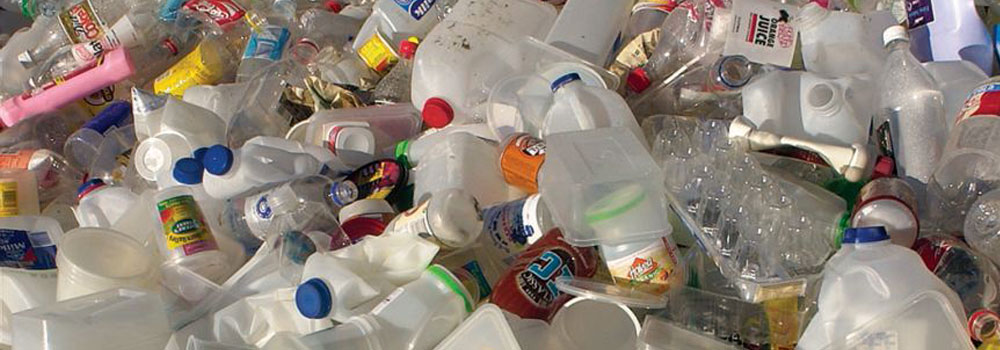
Garbage and recycling collection
Garbage collection is arranged by Northern Beaches Council for public and private wharves every Monday and Friday morning. An extra collection is provided on Wednesday mornings during summer school holidays.
Public wharves
Garbage and recycling facilities are located on public wharves at Elvina Bay South, Elvina Bay North, Lovett Bay, Halls, and Morning Bay.
- Garbage bags are disposed in the skip bins.
- Use the marked wheelie bins for recycling – paper and plastic/glass/tin containers. Please do not place recyclables in plastic bags in the bins, empty out and place the bag in the general rubbish skip bin.
Private jetties
- Your jetty must be accessible by water at low tide.
- Residents place garbage in the council supplied bin and hoop stand secured to their jetty.
- Recycling is to be separated (paper & glass/plastics/tins) and placed in the recycling tubs (not in plastic bags).
- If your property has year round tidal access and you would like a bin and hoop stand installed on your private wharf/jetty please contact Pittwater Council on 9970 1111. This is a free service. (Source: Pittwater Council)
How you can help
- Always contain garbage in securely tied bags & avoid overfilling bins.
- Do not leave garbage bags on the ground for animals to rummage through.
- Consider composting or having a worm farm to reduce waste.
- DO NOT place building materials or vegetation in skips — contract someone to take these away or take them yourself to Kimbriki Tip.
Council collection
Twice a year, there is a Bulky Good and a seperate Vegetation collection, which gives residents a chance to get rid of Vegetation and bigger items that are not suitable for the weekly garbage collection. Collections will be made from public and private wharves (that are accessible at low tide) and Elvina Reserve .
How it works
- Materials are to be put out only on the weekend prior to the collection week. Please adhere to this rule. Material put out later than the Monday of the collection week will not be collected. Check the Calender for dates (action: add click through to the calendar page)
- The total quantity per household should not exceed 3 cubic metres (3m x 1m x 1m).
Acceptable items
- Appliances such as stoves and fridges (remove doors)
- frames with glass removed (break glass into newspaper, wrap securely and put in household garbage).
- Paint tins and fuel containers, with the lid off and no liquid.
- Manageable quantities of delivery pallets, wooden stairs, decking, gates, fencing, guttering, down piping, iron sheets and water – all cut down to 1.2 metre lengths and able to be lifted by one person; please hammer down nails; hot water systems, emptied.
- Metals are acceptable but are to be kept separate, where possible, to be taken to Kimbriki Recycling & Waste Facility for re-processing and re-use.
Unacceptable items
- Asbestos, batteries and household chemicals.
- Building materials – wall linings, gyprock, studs, timber beams, tiles, concrete.
- Car, motor and boat parts, rubber tyres – rims are accepted.
- Food, gas bottles, glass including windows, panes, mirrors, panels, shower screens, picture frames, liquid paints oils, fuel, soil, earth, fill, bricks.
- Recyclable materials – paper and cardboard, soiled wrappings, vegetation, plants.
Kimbriki Waste & Recycling Facility is not licensed to accept hazardous waste. Unacceptable items will not be collected and should be removed from wharf or private jetty.
 Additional Information
- Western Foreshore Offshore Waste Calendar — Northern Beaches Council
- Composting and Worm Farming — Northern Beaches Council
- Tips for recycling and reducing waste — Northern Beaches Council
- Offshore General Clean Up / Metal Recycling — Northern Beaches Council
- Hazardous Waste — Northern Beaches Council
- E-waste — Northern Beaches Council